Farming has always evolved with new tools and technology, but the rise of electric tractors marks one of the most important changes the industry has seen in decades. As we move through 2026, the demand for clean energy farming continues to grow, and electric tractors are becoming a realistic choice for both small and medium-sized farms.
At Renewables.com, we focus on exploring this shift and how it can help shape a cleaner and more reliable future for agriculture.
Why Farmers Are Choosing Electric Tractors
For many years, diesel-powered tractors were the only practical option for farming. However, they come with several challenges, including rising fuel prices, exhaust emissions, and high maintenance costs.
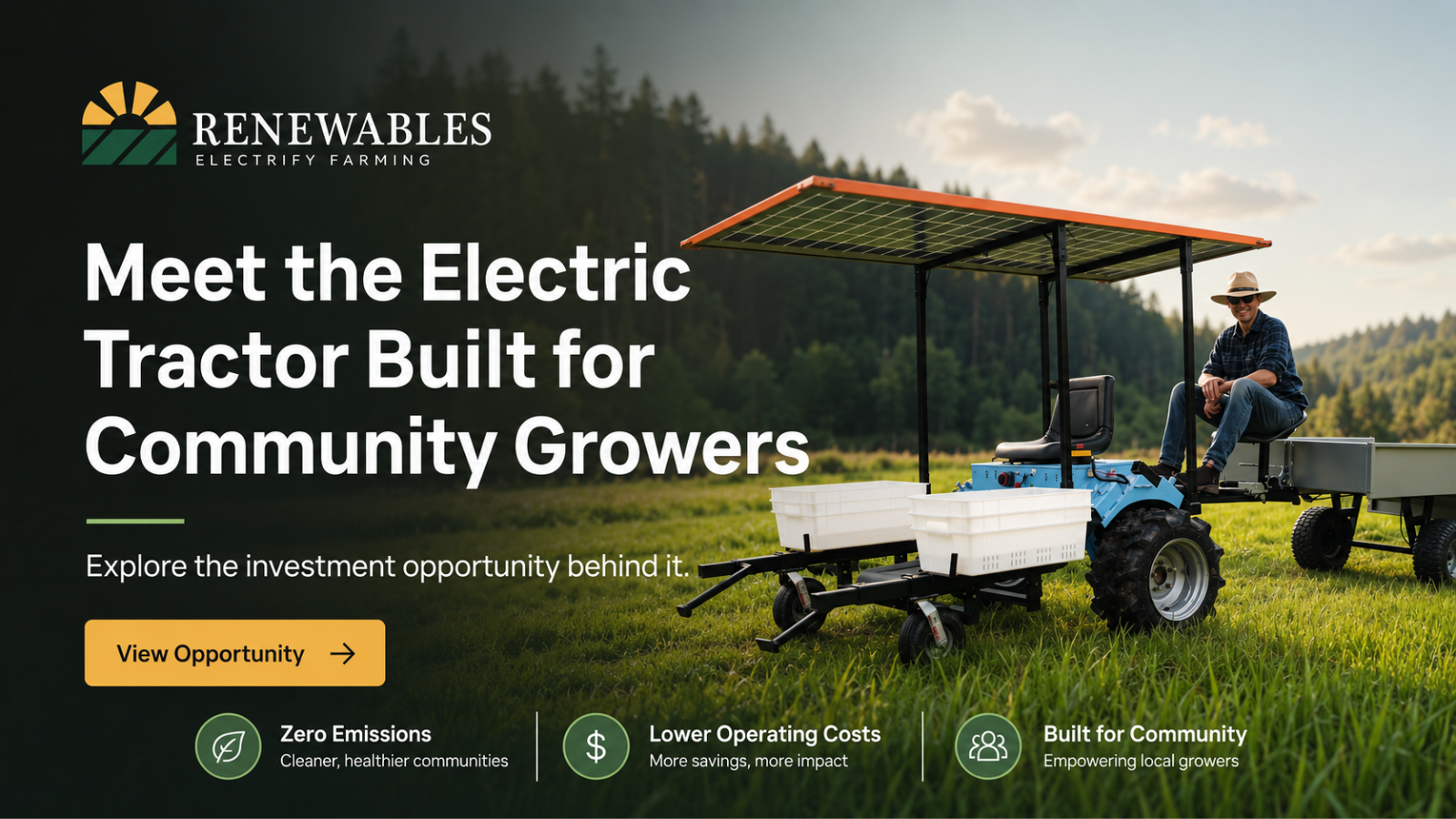
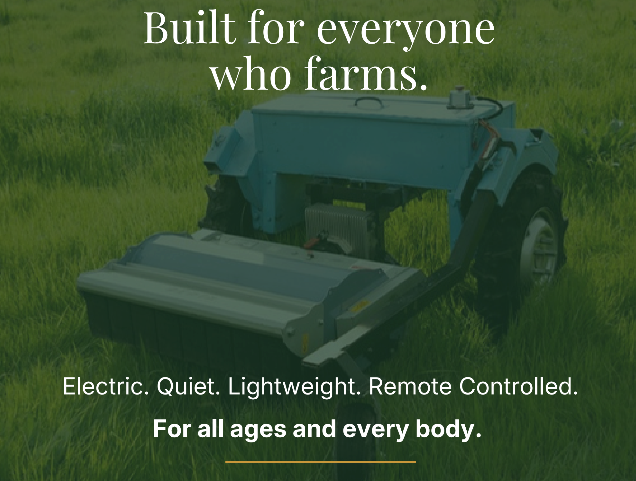
As awareness around climate change and environmental health grows, farmers are looking for options that support both productivity and sustainability. Electric tractors answer this need by offering quiet operation, zero emissions, and reduced fuel dependency, qualities built into the Renewables e2T electric two-wheel tractor from the ground up.
- Quiet operation
- Smooth performance
- Zero emissions
- Reduced fuel dependency
These benefits make electric tractors a strong alternative for farmers who want to modernize their operations.
Progress in Battery Technology
One of the main reasons electric tractors are becoming more common in 2026 is the steady improvement in battery technology. Older electric tractor models struggled with short runtimes and long charging periods.
Today, modern systems support:
- Longer working hours
- Faster charging cycles
Many farms are also investing in solar panels and other renewable energy sources, making on-site charging simple and cost-effective. When clean energy powers clean machinery, the entire farming system becomes more efficient and environmentally friendly.
Electric Tractors and Sustainable Agriculture
Sustainable agriculture is now a global priority as growing food demands continue to challenge farmers worldwide. Electric tractors help farms move toward this goal by decreasing pollution and reducing reliance on fossil fuels.
Without exhaust fumes or diesel spills:
- Soil remains cleaner
- Crop health improves
- Local ecosystems are protected
Electric tractors are not just a trend they are part of a larger shift toward responsible and forward-thinking farming.
Everyday Farm Tasks with Electric Tractors
Electric tractors are capable of handling the same essential tasks as traditional tractors, including:
- Planting
- Cultivating
- Mowing
- Hauling
- Harvesting
- Routine farm management
Key Operational Benefits
- Minimal noise creates a calmer work environment
- Reduced stress for workers and livestock
- Steady power delivery allows precise control
- Fewer mechanical parts result in lower maintenance needs
This leads to fewer breakdowns and more consistent working days.
Financial Benefits for Farmers
Cost is always a major factor in farming decisions. Electric tractors provide several financial advantages:
- No diesel fuel expenses
- Lower maintenance costs
- No oil changes or exhaust system repairs
While the upfront cost may be higher, many farmers find that long-term savings make electric tractors a worthwhile investment. As battery technology improves, the financial value of electric farm equipment will continue to grow.
Cleaner Air and Better Quality of Life
Electric tractors significantly improve air quality on and around farms. Without engine exhaust:
- Farmers breathe cleaner air
- Nearby homes and rural communities benefit
The quiet operation also improves daily working conditions. Many farms report calmer livestock due to reduced noise compared to diesel machinery, leading to a better overall farm environment.
The Role of Renewable Energy
As more farms adopt solar power and other renewable energy systems, the connection between energy production and farming equipment becomes stronger. Electric tractors fit perfectly into this model.
Renewable Energy Advantages
- On-site electricity generation
- Reduced dependence on external fuel sources
- Lower operating costs
- Greater energy independence
This creates a sustainable cycle where clean energy supports clean machinery and healthier land use.
Electric Tractors and the Future of Farming
Electric tractors are expected to become a mainstream alternative to diesel-powered equipment in the coming years. They offer:
- Smoother performance
- Fewer breakdowns
- Cleaner working conditions
- High efficiency without productivity loss
As technology advances, electric tractors will become more accessible for farms of all sizes.
The Transition Toward Electric Farming
The move toward electric farming is about more than new machines it reflects a shift in mindset. It focuses on:
- Long-term soil health
- Cleaner air
- Responsible energy use
- Smarter farm management
Electric tractors support these goals by reducing greenhouse gas emissions, lowering fuel costs, and improving daily farm operations. When combined with renewable energy, the impact becomes even stronger.
Conclusion
Electric tractors are set to redefine clean farming in 2026. They combine sustainability, reliability, quiet performance, and long-term cost savings into one powerful solution.
Farmers who adopt electric equipment today are preparing their land and operations for the future. reserve your e2T and be part of clean farming in 2026. At Renewables.com, we remain committed to supporting this transition and helping farmers explore electric machinery as part of a cleaner, more efficient farming system.