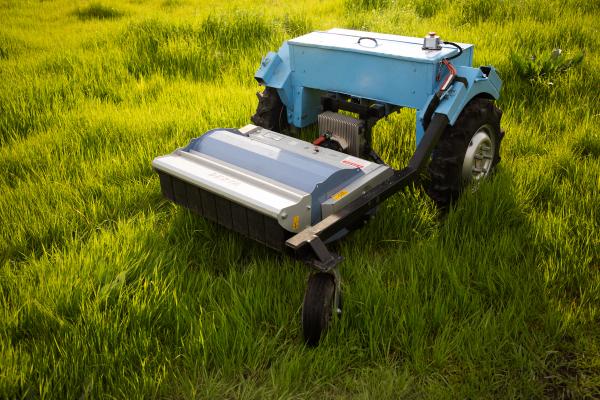
An electric farm tractor uses batteries and electric motors instead of a diesel or gas engine. The main types are two wheel, mini, compact, and utility. The right choice depends on whether you walk or ride, the space you have, and the jobs you need to complete.
What Counts as an Electric Farm Tractor?
Any tractor with a battery powered drivetrain counts. The battery replaces the fuel tank, and one or more electric motors replace the engine. The work pattern depends on the model and its attachments. Check which implements it supports and plan around its documented runtime. If you are new to walking tractors, our guide to what a two wheel tractor is explains the basic layout before you compare sizes.
Two Wheel, Mini, Compact and Utility Tractors Compared
Two Wheel (Walk Behind) Tractors
A two wheel tractor has a single axle and no seat. You walk behind it and steer with handlebars. Power goes to the wheels and, on many models, to a PTO, a power take off shaft that drives attached tools. This layout can suit permanent beds and hoop houses where space is limited.
The Renewables e2T is an electric two wheel tractor in this group. It is solar ready and uses a PTO adapter for quick tool changes. You can see the configuration options on the e2T tractor page.
Mini Tractors
An electric mini tractor is generally positioned as a smaller riding machine. You sit on it rather than walk behind it. Compare each model's dimensions, attachment list and rated capacity before choosing one, since those figures vary from maker to maker.
Compact Tractors
Compact electric tractors are four wheel riding machines. Some models may offer a three point hitch, a rear PTO or a loader option. Check the model's supported attachments and rated capacities before planning loader or implement work. Any riding tractor also needs room to turn, so measure your aisles first.
Utility Tractors
A utility tractor is generally the largest riding category. If you are considering one, compare its size and attachment needs against your actual fieldwork, access points and storage space. Growers on small acreage should avoid choosing a larger machine on property size alone.
Which Type Suits Your Land and Layout?
Acreage alone does not decide the answer. The table below is general practical guidance on layout and task fit, not a manufacturer specification. Your soil, slope, crop plan and labor all shift the choice. Renewables sells the e2T to growers working about 1 to 10 acres. Count your worked beds and weekly tasks, not just your property line.
| Type | Typical setting | Common jobs | Main limit |
|---|---|---|---|
| Two wheel | Small, intensive growing areas | Bed prep, cultivation, greenhouse work | Check whether the model supports the tools you need |
| Mini | Small properties, riding preferred | Check model attachment list | Capacity varies by model |
| Compact | Larger areas with room to turn | Mixed field tasks, possible loader work | Too wide for tight beds |
| Utility | Open field work | Larger implements, long runs | Cost and footprint |
Ten acres of pasture is a different job from one intensive acre of vegetables on 30 inch beds. Our small farm tractor overview goes into how layouts on small acreage drive that choice.
What Jobs Can a Small Electric Tractor Not Do?
- Material handling by the bucket. Confirm documented attachment compatibility and lift capability before planning loader work.
- Bale handling. Do not plan on it unless the tractor and attachment have a documented lift rating for the bale size you use.
- Deep tillage and long field sessions may exceed a small tractor's documented capability. Check the model's approved implements, runtime and operating guidance before planning this work.
- Long sessions without a charging plan. Check the model's documented runtime, charging options and whether an exchangeable battery is available.
How Do You Choose the Right Size for Your Farm?
- List your real jobs. Write down every task you repeat each season, such as bed prep, cultivation, mowing and hauling.
- Measure your tightest space. Note the narrowest aisle, gate or greenhouse door the machine must pass through. That width sets your ceiling.
- Count worked acres, not total acres. A 9 acre homestead with one acre in production may need a tractor sized mainly for that worked acre, unless other recurring jobs require more capacity.
- Check the attachments. Confirm the tools you need are available for that machine, and how quickly they swap.
- Plan charging. Decide where the machine will sit overnight and whether you want a solar ready setup.
Here is a hypothetical illustration. A market gardener works 1.5 acres in 30 inch permanent beds, plus two hoop houses, and mows a half acre of grass paths. The tight aisles may make a compact tractor impractical. A two wheel machine could suit the bed work if its available tools match the task list. The grower would also need to plan separately for mowing the paths. This is an example only, not a customer result.
If your regular work needs a loader or larger implements, compare compact tractors against your task list and access points. For a broader comparison of conventional classes, see the complete guide to choosing the right tractors for your farm.
Frequently Asked Questions
Yes. Many two wheel tractors drive their wheels and can power working implements through a PTO or another approved attachment system. You walk behind the machine instead of riding it. That design keeps it narrow and light, which suits beds, greenhouses and tight market garden layouts.
Both are riding machines. Compact tractors are generally the larger of the two, and some offer a three point hitch, rear PTO or loader option. Mini tractors are positioned as smaller riding machines. Compare the dimensions, attachments and rated capacity of each model.
It depends on how much of your land you actually work, not on your property line. Crop spacing, soil type and your weekly task list matter most. Renewables sells the e2T to growers on small acreage, including market gardeners, homesteaders and greenhouse operators working about 1 to 10 acres.
Some machines are built for it. The Renewables e2T is solar ready. Renewables describes an optional PV canopy and a solar charging path for the tractor. Confirm the charging setup that fits your operation, and what it includes, before you reserve.
Compatibility depends on the tractor's specified mounting and PTO requirements. The e2T uses a PTO adapter for quick tool changes. Always confirm implement fit with the seller before buying, since mounting, power and control needs vary from one machine to the next.
Check the e2T tractor page and ask Renewables which tools and charging options fit your work. Confirm the current configuration, price, what is included, and any available options before reserving. This helps you compare the machine against your task list and charging plan.
Matching an Electric Farm Tractor to Your Land
Choose an electric farm tractor by looking at the jobs you repeat every season, the tightest space the machine must fit through, and the acreage you actually work. A grower with narrow beds should first check whether a riding machine can fit the bed layout and still handle the jobs that matter most. Size the tractor to the work in front of you, then check that the attachments and charging plan match.
Renewables builds the e2T electric two wheel tractor in Santa Rosa, California for growers working small acreage. Reserve your e2T at renewables.com.