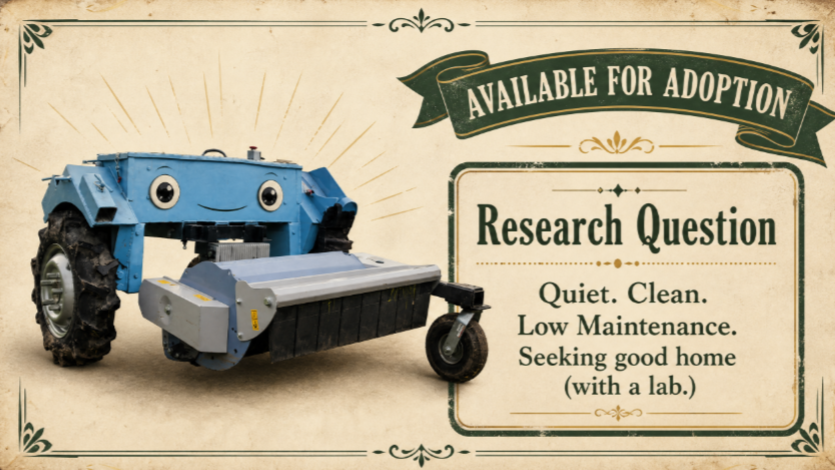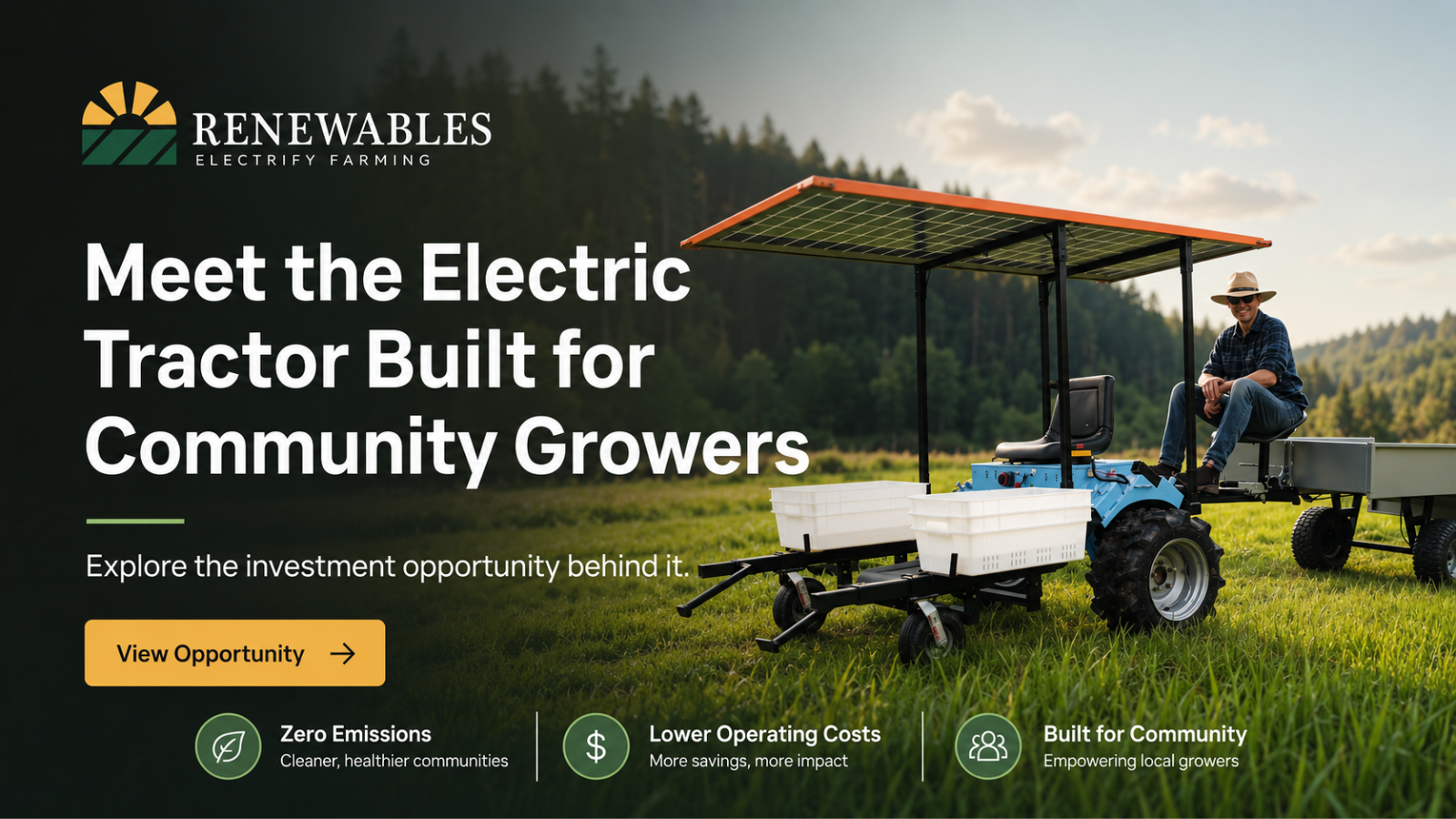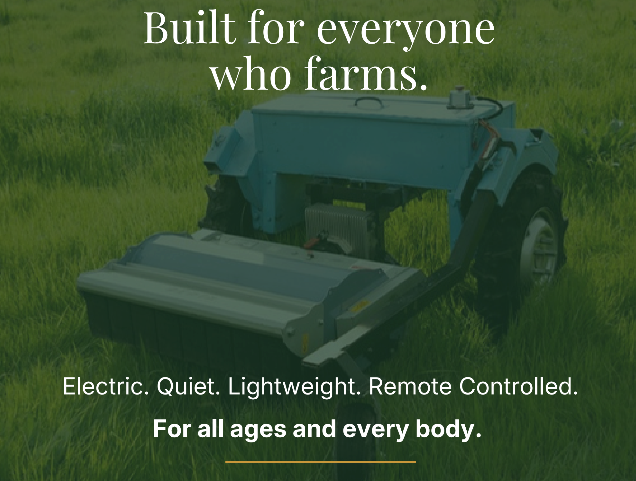
Electric tractors are changing how modern farms operate by offering a cleaner, quieter, and more practical alternative to diesel-powered machinery. As farming faces pressure to reduce emissions, manage rising fuel costs, and protect long-term soil health, electric farm equipment is becoming a realistic solution rather than a future concept. These machines support sustainable farming by removing exhaust emissions, lowering operating noise, and allowing farms to move toward renewable energy-based operations.
Traditional tractors have played an important role in agriculture for decades, but they also come with challenges that are becoming harder to ignore. Fuel dependency, engine maintenance, and environmental impact are pushing farmers to explore new technologies. Electric tractors answer these challenges by combining modern engineering with renewable energy compatibility, helping farms stay productive while aligning with cleaner farming practices.
Why Agriculture Is Moving Toward Electric Tractors
Agriculture is no longer only about output. It is also about responsibility toward land, water, and surrounding communities. Diesel-powered equipment releases emissions that contribute to air pollution and long-term soil degradation. Over time, this affects both crop health and the sustainability of farming operations. Electric tractors eliminate tailpipe emissions entirely, making them an important tool for farms focused on long-term land care.
Fuel prices also play a major role in this shift. Diesel costs fluctuate and can heavily impact farm budgets, especially during peak seasons. Electric tractors reduce reliance on fuel deliveries and allow farms to stabilize operating costs. When paired with solar or other on-site energy systems, electric equipment gives farmers greater control over energy use and long-term expenses.
Another factor driving adoption is the growing demand for environmentally responsible food production. Consumers, regulators, and supply chains increasingly value farming practices that reduce environmental impact. Using electric tractors helps farms meet these expectations without sacrificing productivity.
How Electric Tractors Work on Real Farms
Electric tractors are designed to handle everyday farm tasks just like traditional machines. They are used for mowing, cultivating, seeding, hauling, material handling, and light to medium-duty fieldwork. Their electric motors deliver consistent torque, which improves control during precise operations such as bed preparation and row cultivation.
Unlike diesel engines, electric motors provide instant power without warm-up time. This improves efficiency during short tasks and stop-and-go work. The smooth power delivery also reduces stress on mechanical components, helping extend the life of the machine. For operators, electric tractors are easier to handle and more responsive in the field.
Electric tractors are especially well-suited for small to mid-sized farms, specialty crop operations, and regenerative farming systems. These farms often value precision, low soil disturbance, and reduced environmental impact. Quiet operation also makes electric tractors ideal for farms located near residential areas or those working early mornings and evenings.
Lower Maintenance and Long-Term Cost Benefits
Maintenance is one of the most expensive and time-consuming aspects of owning diesel equipment. Oil changes, fuel filters, exhaust systems, and engine repairs add up over time. Electric tractors remove many of these requirements. With fewer moving parts and no combustion engine, maintenance schedules become simpler and more predictable.
Reduced maintenance also means less downtime during critical farming periods. When equipment is easier to maintain, farms can plan operations with greater confidence. Over the lifespan of the machine, these savings can significantly offset the initial investment in electric equipment.
Electric tractors also support better budgeting. Instead of reacting to fuel price changes and unexpected repairs, farms can plan energy use more accurately. This is especially valuable for operations focused on long-term financial stability.
Energy Independence Through Renewable Power
One of the most important advantages of electric tractors is their compatibility with renewable energy. Farms with solar installations can charge equipment directly from on-site power, reducing reliance on external fuel sources. This creates a more self-sufficient operation and strengthens resilience against energy disruptions.
Using renewable energy for farm equipment aligns with broader sustainability goals. It reduces emissions across the entire operation, not just in the field. As more farms adopt solar and energy storage systems, electric tractors become a natural extension of energy-smart agriculture.
This shift toward energy independence also supports rural communities by keeping energy spending local and reducing exposure to fuel supply issues.
The Role of Electric Tractors in Sustainable Farming
Sustainable farming focuses on practices that protect soil health, reduce environmental harm, and maintain productivity over time. Electric tractors support these goals by minimizing pollution, reducing noise, and allowing more precise field operations. Their smooth power delivery helps reduce soil compaction and supports better crop management.
As farming practices continue to evolve, electric tractors will play a growing role in operations that value efficiency, responsibility, and long-term planning. They are not a replacement for every piece of heavy equipment, but they are a strong solution for many farming applications.
Looking Ahead
Electric tractors represent a practical step toward a cleaner and more efficient agricultural future. As technology improves and adoption increases, these machines will become more common across a wide range of farming operations. Farmers who invest in electric equipment today position themselves for a future where sustainability, cost control, and operational efficiency work together rather than against each other.
The future of farming is not about choosing between productivity and responsibility. Electric tractors show that both goals can be achieved at the same time.