Healthy soil is not created overnight. It develops slowly, shaped by a multitude thousands of daily decisions farmers make season after season. From how fields are worked to how equipment moves across the land, everyday farming practices play a direct role in determining whether soil becomes stronger and more productive or gradually loses its life and structure.
Long-term soil health affects everything on a farm: crop yields, water retention, resilience to weather extremes, and even operational costs. Understanding how routine actions influence soil over time allows farmers to protect their land while improving productivity without relying on drastic or disruptive changes.
Why Soil Health Is a Long-Term Commitment
Soil is a living system. Beneath the surface exists a complex network of microorganisms, organic matter, air pockets, and moisture pathways. When this balance is supported, soil can regenerate naturally. When it is disrupted repeatedly, recovery becomes slow and difficult.
Many modern farming challenges, including erosion, nutrient loss, and compaction, are not caused by one major mistake. They are the result of small decisions repeated year after year. This is why focusing on everyday practices matters more than one-time fixes.
Soil Compaction and Daily Field Operations
One of the most overlooked contributors to soil degradation is compaction. Heavy equipment passing over the same ground compresses soil particles, limiting oxygen flow and root penetration. Over time, compacted soil reduces water infiltration and restricts biological activity.
Compaction is not only about weight. Frequency, timing, and maneuverability all matter. Operating equipment on wet fields or using machines that require repeated passes can significantly accelerate damage.
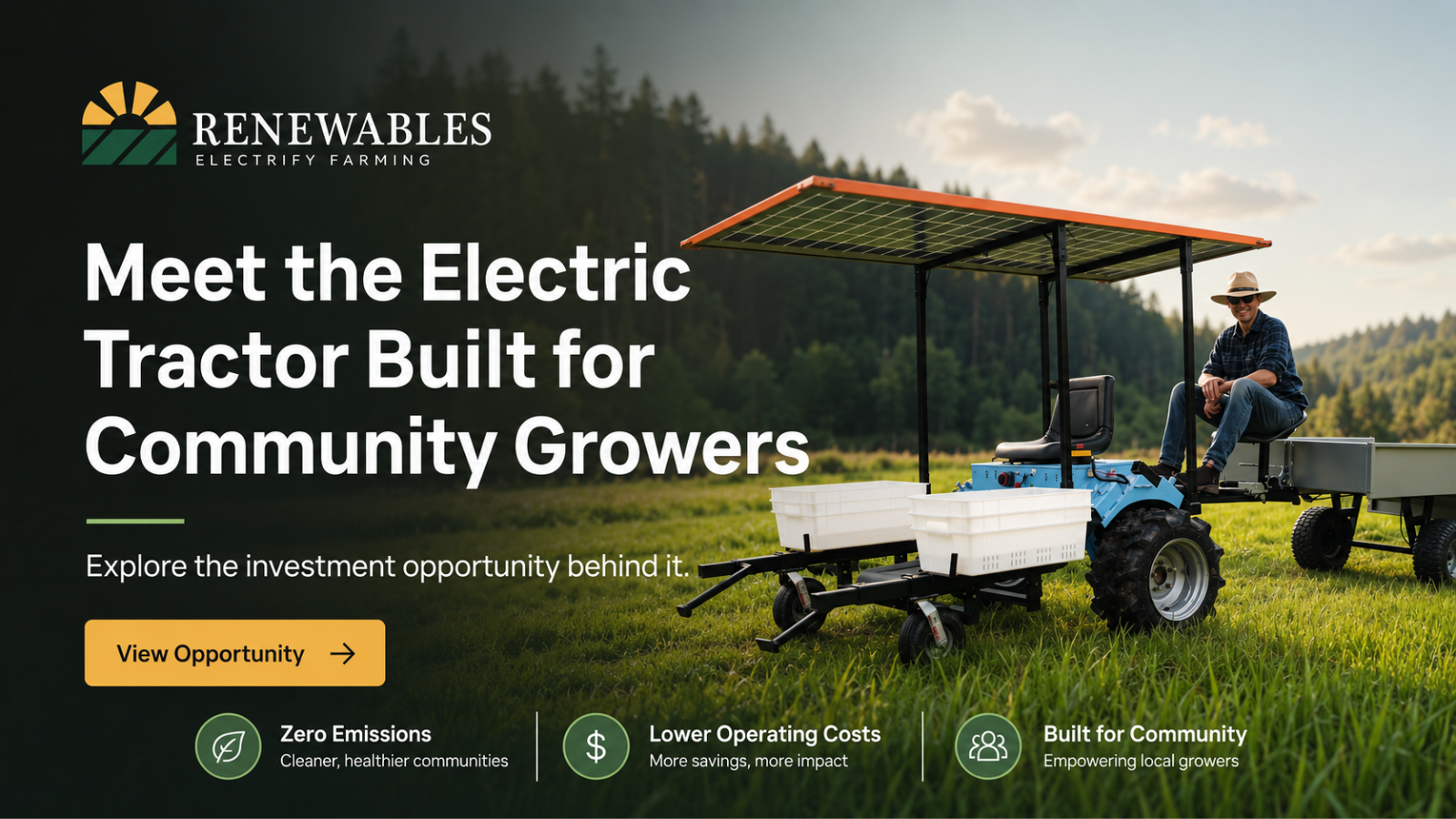
If you’re reviewing equipment decisions that can influence field impact, see this tractor selection guide for your farm to understand what matters beyond horsepower.
Tillage Choices and Soil Structure
Tillage directly affects soil structure. While tilling can prepare seedbeds and manage weeds, excessive or aggressive tillage breaks down soil aggregates that hold organic matter and moisture together.
Over time, repeated disruption can leave soil vulnerable to erosion and reduce its ability to store carbon. The long-term result is land that requires more inputs to maintain yields.
Some farmers reduce disturbance by rethinking field passes and equipment approach. If your operation includes tougher soil work, you may also want to review how modern machines handle tillage and heavier jobs (even if you’re not switching equipment right now, the operating considerations are useful).
Organic Matter and Everyday Inputs
Organic matter is one of the strongest indicators of soil health. It improves nutrient availability, water retention, and microbial activity. However, organic matter levels rise or fall based on daily management.
Leaving crop residues, incorporating compost, and maintaining root presence in soil all contribute positively. Removing too much biomass or relying heavily on synthetic inputs without replenishment can slowly drain soil vitality.
This long-term view connects well with broader sustainability thinking, like why the future of farming is moving toward cleaner, more sustainable systems and how technology supports more responsible agriculture.
Water Management and Soil Resilience
Water interacts with soil constantly. How irrigation is managed affects compaction, erosion, and nutrient movement. Poor drainage or over-irrigation can suffocate roots and wash away valuable topsoil.
Healthy soil absorbs and holds water effectively, reducing runoff and improving drought resistance. This resilience becomes increasingly important as weather patterns grow more unpredictable.
If you’re also working on making farm systems more efficient, these reads fit well alongside soil planning:
- practical ways farms use renewable energy
- how renewable energy supports day-to-day farm operations
- how to think about sustainable farming energy use
Equipment Emissions and Living Soil
Soil health is not only physical. Chemical exposure also matters. Diesel exhaust and residue can settle close to the ground and affect microbial life over time.
Reducing ground-level emissions can help protect the biological systems that make soil productive. For more on this shift in agriculture, explore:
- the rise of electric tractors in modern farming
- how electric tractors are transforming modern farming
Crop Rotation and Root Diversity
Roots are soil’s primary architects. Different crops create different root patterns, feeding varied microbial communities and improving soil structure at multiple depths.
Monocropping limits this diversity, while rotation encourages biological balance. Even simple changes in planting schedules can have lasting effects on nutrient cycling and soil stability.
This principle fits with the broader modernization of farming systems discussed in the future of agriculture through smarter technology and planning.
Soil Health and Small-Farm Stability
Healthy soil supports more than crops. Farms with productive soil require fewer corrective inputs, reducing costs and improving long-term viability. This stability is especially valuable for small and mid-sized farms that operate with tighter margins.
If your audience includes smaller operations, these posts pair naturally with this topic:
Long-Term Thinking Versus Short-Term Fixes
Short-term gains often come at the expense of long-term soil health. Pushing land too hard, ignoring compaction signs, or relying only on quick chemical answers can lead to weaker soil structure and diminishing results.
Farms that think long-term view soil as an asset rather than a resource to be consumed. Each season becomes an opportunity to reinforce resilience instead of repairing damage.
If you want a bigger-picture read on how farming systems are evolving, you can connect this with:
- how electric tractors are transforming modern sustainable farming
- how electric tractors are revolutionizing sustainable farming
Aligning Everyday Practices With Sustainable Goals
Soil health does not require radical transformation. It improves when daily decisions are aligned with long-term goals. Choosing equipment wisely, reducing unnecessary passes, managing residues, protecting soil when wet, and building organic matter over time all add up.
Sustainability is often framed as future-focused, but its foundation lies in what happens today. This mindset ties into:
- solar-powered farming equipment and practical applications
- how renewable energy fits into agriculture
The Path Forward for Healthier Soil
Every farm is different, but soil responds predictably to care and neglect. Practices that protect structure, encourage biological life, and reduce stress gradually restore soil’s natural strength.
The future of farming depends on land that can sustain production without constant correction. By understanding how everyday actions influence soil health, farmers gain control over outcomes that matter most.
To explore more resources on sustainable small-scale farming and practical innovation, visit Renewables sustainable farming solutions.