The agricultural sector is undergoing a transformative shift towards sustainability, and electric tractors are at the heart of this change. These cutting-edge machines promise to revolutionize farming by reducing emissions, increasing efficiency, and providing a more eco-friendly alternative to traditional diesel-powered tractors. In this blog, we will explore the role of electric tractors in the future of sustainable farming, their potential impact on the industry, and how they contribute to a more sustainable future for agriculture.
What Makes Electric Tractors a Game-Changer?
Electric tractors are poised to be a game-changer in farming due to their numerous benefits. Unlike traditional tractors that rely on fossil fuels, electric tractors are powered by renewable energy sources like batteries, making them more sustainable and less harmful to the environment.
Here are some key advantages of electric tractors:
- Zero Emissions: Electric tractors eliminate harmful emissions, helping to reduce the carbon footprint of farming operations.
- Lower Operating Costs: With fewer moving parts and no need for diesel, electric tractors can significantly lower fuel and maintenance costs.
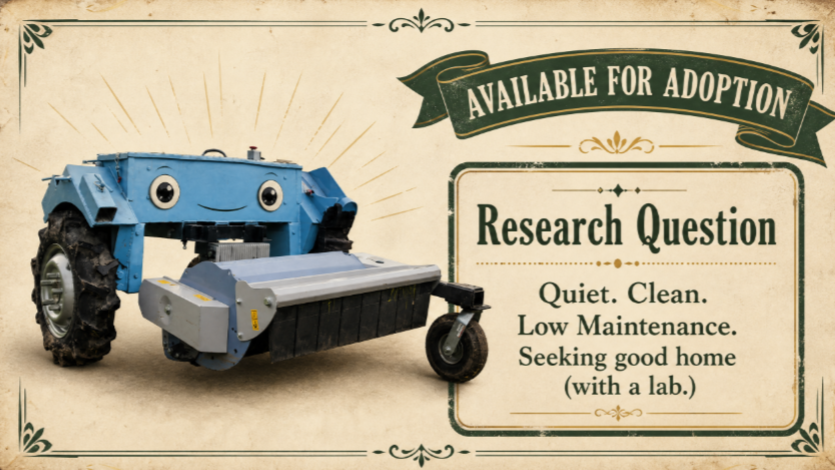
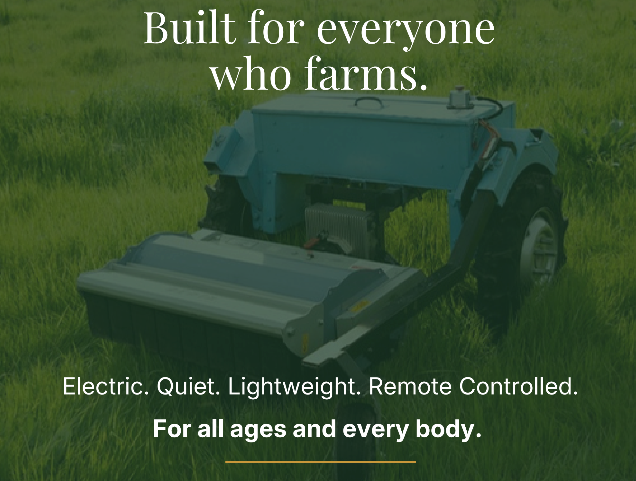
- Noise Reduction: Electric tractors operate much more quietly than diesel-powered machines, reducing noise pollution on farms.
- Efficient Energy Use: Electric tractors make better use of energy, ensuring optimal performance while conserving resources.
To learn more about the benefits of electric tractors, check out our post on The Benefits of Electric Tractors for Small Farms.
Electric Tractors and Sustainable Farming
Electric tractors align perfectly with the principles of sustainable farming. Their use significantly reduces reliance on fossil fuels, contributing to a cleaner, greener farming operation. Moreover, they can be paired with renewable energy sources like solar or wind power, further enhancing their sustainability.
Farmers can adopt electric tractors not only for their environmental benefits but also for the long-term financial savings they offer. By reducing fuel costs and maintenance needs, electric tractors can help farmers achieve greater profitability while reducing their environmental impact.
For more insights into how electric tractors are transforming farming, explore our post on How Electric Tractors Are Transforming Modern Sustainable Farming.
Can Electric Tractors Handle Heavy Loads and Tillage?
One of the most common concerns surrounding electric tractors is whether they can handle the heavy-duty tasks typically associated with traditional tractors, such as tillage, plowing, and harvesting. Fortunately, advances in battery technology and electric motor efficiency have enabled electric tractors to meet the demanding requirements of modern farming.
Many electric tractors are now capable of handling various tasks, including tillage, without compromising on performance. While electric tractors may not yet match the power of some diesel tractors in terms of raw horsepower, their torque delivery provides the necessary power for a wide range of agricultural activities.
To dive deeper into this topic, read our blog on Can Electric Tractors Handle Tillage, Plowing, and Heavy Loads?.
The Rise of Solar-Powered Tractors
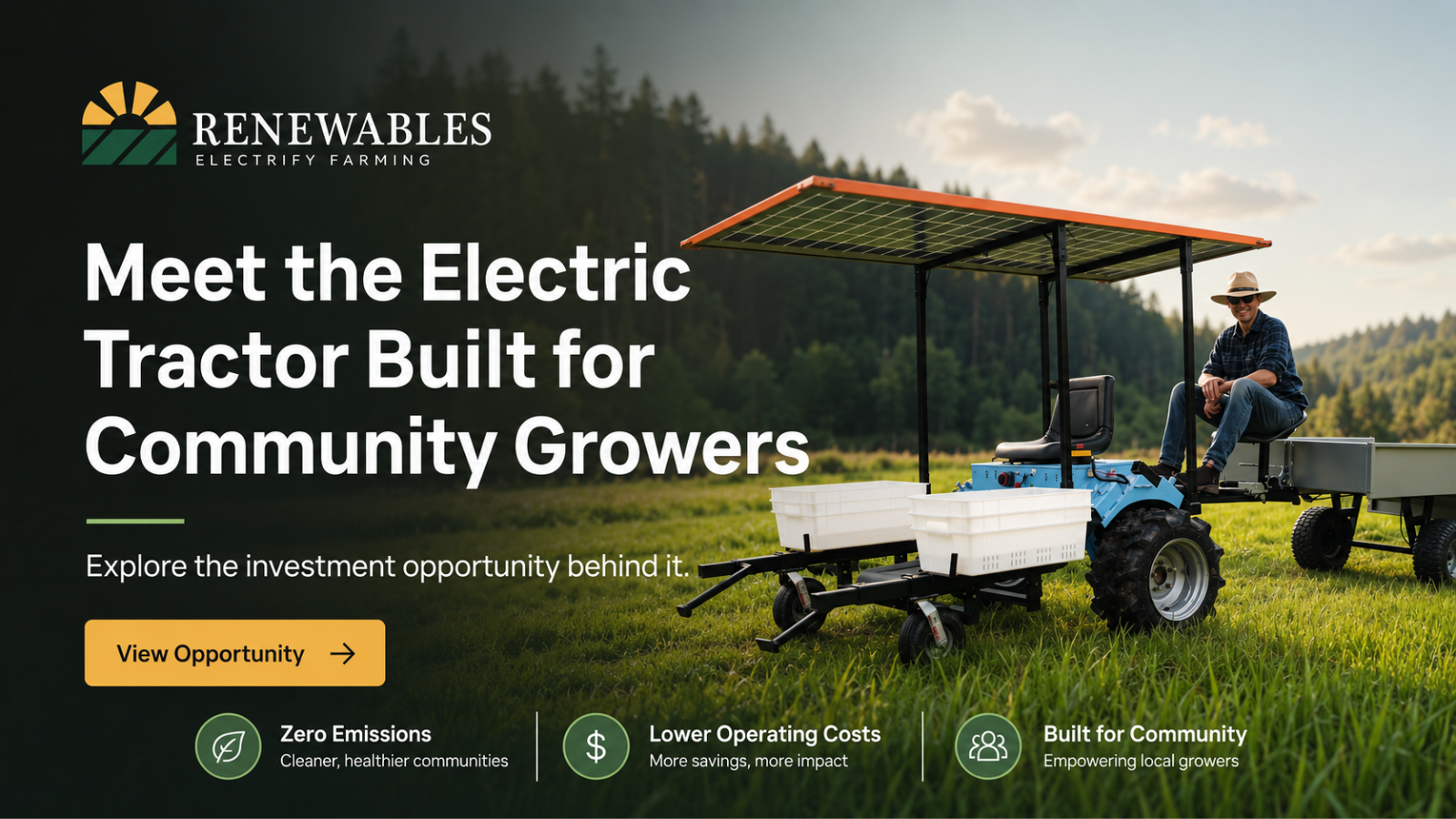
Solar-powered tractors are an exciting development in sustainable agriculture. These tractors combine solar panels with electric power to harness renewable energy directly from the sun. This reduces reliance on grid electricity and can be especially useful in areas with abundant sunlight.
At Renewables.com, we believe that solar-powered farming equipment will play a crucial role in the future of agriculture. Explore more about solar-powered farming equipment in our blog post on Solar Powered Farming Equipment.
Electric Tractors for Small Farms: A Growing Trend
Small farms are embracing electric tractors due to their size, efficiency, and environmental benefits. These tractors are particularly well-suited for small-scale operations where space and sustainability are top priorities. Electric tractors for small farms offer reduced operating costs, greater control, and less environmental impact, making them an ideal choice for many farmers.
Learn more about the specific advantages of electric tractors for smaller-scale operations in our blog on Benefits of Electric Tractors for Small Farms.
Sustainable Agriculture and Renewable Energy
The integration of renewable energy with farming practices is a growing trend. Agrivoltaics is a great example of how farmers can combine solar panels with their agricultural operations to produce clean energy while also growing crops.
Electric tractors, when paired with renewable energy sources, enhance the sustainability of farming operations. This combination helps farmers reduce their carbon footprint, decrease energy costs, and increase the overall efficiency of their farm.
For more on how renewable energy is shaping the future of agriculture, check out our post on Renewable Energy in Farming.
Conclusion
The future of farming is undoubtedly electric and sustainable. With electric tractors playing a pivotal role in the shift toward cleaner, greener agricultural practices, farmers can look forward to a future where both their crops and the planet thrive. By adopting electric tractors and integrating renewable energy into their operations, farmers can ensure a more sustainable and profitable future for themselves and the environment.
To explore more about the benefits of electric tractors and the future of farming, check out our post on The Future of Farming Is Electric and Sustainable.