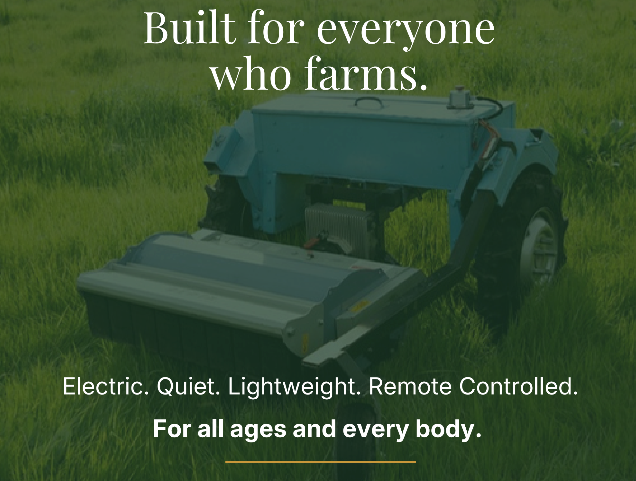
Electric tractors are becoming one of the most important tools in the move toward clean and sustainable agriculture. Farmers around the world are shifting from diesel machines to battery-powered options as they look for ways to reduce emissions, lower fuel costs, and build a more environmentally friendly farming system. As renewable energy expands and climate challenges grow, electric tractors are quickly becoming a practical and future-proof solution for farms of all sizes.
Why Electric Tractors Are Gaining Popularity
Electric tractors are rising in popularity because they replace diesel with clean, renewable energy. Traditional tractors rely heavily on fossil fuels and release harmful emissions that contribute to climate change. Electric tractors eliminate the exhaust, reduce noise, and operate with high efficiency. Their quiet motors allow farmers to work early mornings or late nights without disturbing livestock or nearby communities. This is especially valuable for small farms located near residential areas.
A Look Back: The Early History of Electric Tractors
Although electric tractors seem like a new invention, the idea actually dates back to the early 20th century. At that time, farmers experimented with electric-powered equipment, but battery technology wasn’t advanced enough to support real farm workloads. As battery capacity and charging systems improved, electric tractors started to become more practical. Today’s models offer stronger batteries, longer run time, and better integration with renewable energy systems,such as solar charging. These improvements have finally made electric tractors a realistic option for modern farms.
The Role of Renewable Agriculture in This Transition
Renewable agriculture focuses on farming in a way that improves soil health, uses natural resources efficiently, and reduces the industry’s carbon footprint. Electric tractors fit perfectly into this approach. They can be powered using solar panels, wind power, or other renewable systems directly available on the farm. This makes farming less dependent on fluctuating fuel prices and more predictable in long-term planning. More farms are adopting solar charging stations, allowing electric tractors to run at a fraction of the cost of diesel machines.
Practical Applications on Small and Medium Farms
Electric tractors are designed to handle a wide range of tasks that small and mid-sized farms face daily. They can perform mowing, seeding, cultivating, hauling small loads, and transporting tools across the property. Electric motors deliver instant torque, which helps with precise control during fieldwork. This makes them useful in vegetable fields, orchards, vineyards, nursery operations, and greenhouse environments. Their ability to operate indoors without fumes is an added advantage for enclosed spaces like barns and storage sheds.
Key Benefits Farmers Experience After Switching
Farmers who switch to electric tractors experience several important benefits. Lower maintenance is one of the biggest advantages. Electric tractors have fewer moving parts, which means no oil changes, no fuel filters, and far fewer mechanical breakdowns. Over time, this can significantly reduce maintenance costs and downtime. Another major benefit is the reduction in emissions. Electric tractors help farmers meet environmental standards while improving air quality around the farm. They also reduce noise pollution, making the farm more comfortable for workers and animals.
Charging Options and Renewable Power Integration
Charging an electric tractor is easier than most farmers expect. Many models plug into standard charging stations similar to those used for electric cars. Farms with solar panels or renewable energy systems can charge the tractor using energy they produce themselves. This lowers operating costs and helps build a more resilient power system. As technology continues to advance, charging times will decrease even further, and battery life will increase, making electric tractors even more efficient in the future.
How Electric Tractors Improve Environmental Impact
The environmental benefits of electric tractors go beyond lower emissions. Without diesel engines, there is no risk of fuel spills, oil leaks, or exhaust residue harming soil or water. This supports healthier soil and reduces contamination risks. Electric tractors also produce less vibration, which can help preserve soil structure, especially when combined with regenerative farming techniques like low-till or no-till practices.
Economic Advantages Over Time
While electric tractors may cost more upfront, they often save farmers money in the long run. Fuel costs drop immediately, and maintenance expenses decrease significantly. Many countries also offer incentives, rebates, or grants for purchasing low-emission machinery. As electric tractors become more common, manufacturing costs will decrease, and more affordable models will enter the market. For farms looking to reduce long-term expenses, electric tractors offer a strong financial advantage.
The Future of Farming With Electric Machinery
The future of farming will be shaped by electrification. As technology improves, electric tractors will gain larger battery capacities, longer operating hours, and increased power output. Future models may integrate autonomous features, self-driving capabilities, and smart sensors that help farmers make better decisions. Electric tractors will also work seamlessly with other advanced tools like drones, AI-driven irrigation systems, and precision farming software.
Conclusion: A Smarter, Cleaner Path Forward
Electric tractors represent a major shift toward cleaner and more sustainable farming. With benefits such as lower emissions, reduced noise, easier maintenance, and compatibility with renewable energy, they are quickly becoming an essential tool for modern agriculture. As more farms adopt green technology, electric tractors will continue to shape the future of farming, offering a smarter, cleaner, and more efficient way to work the land.