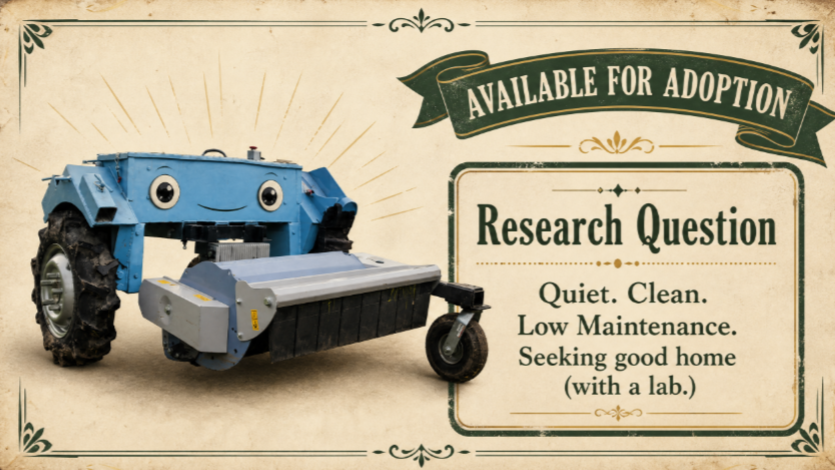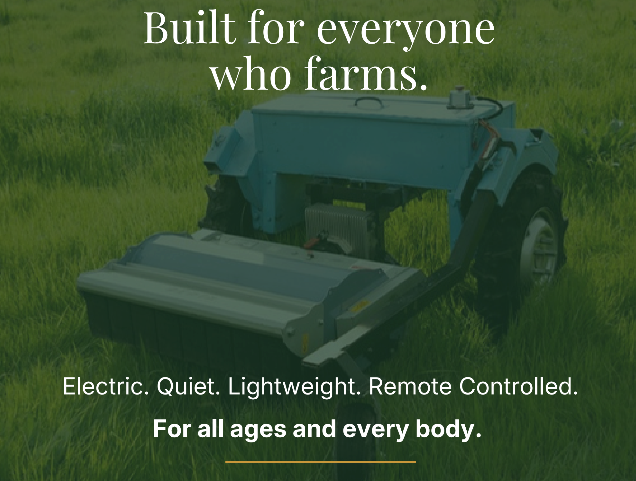
The future of farming is evolving rapidly, and at the heart of this transformation is automation in electric tractors. As agriculture seeks to meet the demands of an ever-growing global population, the need for sustainable, efficient, and cost-effective solutions has never been greater. Electric tractors, powered by clean energy, are already playing a crucial role in shaping this future. When paired with automation technologies, they offer unparalleled benefits in terms of productivity, efficiency, and sustainability. In this article, we will explore how automation in electric tractors can revolutionize farm operations and create a more sustainable agricultural landscape.
What is Automation in Electric Tractors?
Automation in electric tractors involves integrating advanced technologies such as artificial intelligence (AI), machine learning, GPS, sensors, and automated control systems to enable tractors to operate autonomously or semi-autonomously. This means that electric tractors can perform tasks such as plowing, tilling, planting, and even harvesting without the need for constant human intervention.
Electric tractors are powered by electric motors in conjunction with batteries which supply the electricity. Batteries can be fueled from renewable energy sources like solar power thereby reducing reliance on fossil fuels and lowering carbon emissions. When automation is introduced, these tractors can operate continuously, make real-time adjustments based on data inputs, and optimize performance across various tasks.
Key Benefits of Automation in Electric Tractors
1. Increased Efficiency and Productivity
One of the primary advantages of automated electric tractors is their ability to operate continuously without the need for rest. Unlike traditional diesel-powered tractors that require frequent maintenance and downtime, electric tractors can work for longer hours, performing repetitive tasks with high precision. Automation allows these tractors to execute tasks more quickly and with less error, thereby increasing overall farm productivity.
For instance, the electric tractors transforming modern farming blog explains how electric tractors, when combined with automation, can perform tasks such as plowing and planting with greater speed and accuracy than human-driven machines.
2. Cost Reduction
Though the initial cost of electric tractors may be higher than their diesel counterparts, the long-term savings are significant. By eliminating the need for fuel, reducing maintenance costs, and minimizing the labor required, automated electric tractors offer a more cost-effective solution for farmers in the long run.
Electric tractors require less maintenance due to fewer moving parts compared to internal combustion engines. Additionally, the automation technology helps to reduce the need for manual labor, which is often costly and challenging to find in certain regions. These cost savings directly contribute to the financial sustainability of farms.
3. Environmental Sustainability
Electric tractors offer a significant reduction in carbon emissions compared to traditional tractors powered by fossil fuels. This shift toward clean energy helps farmers reduce their environmental impact and adhere to increasingly stringent environmental regulations. When automation is integrated into these electric tractors, they can optimize energy use, further reducing emissions and increasing energy efficiency.
In addition, the ability to charge electric tractors using solar-power or other renewable sources further contributes to reducing the carbon footprint. Electric tractors powered by solar energy not only eliminate harmful emissions but also align with global goals of sustainability in agriculture.
4. Precision Agriculture
Automation in electric tractors supports precision agriculture, a farming management concept that uses technology to monitor and optimize field-level management. Automated tractors equipped with advanced sensors and GPS systems can perform precise tasks, such as planting seeds at optimal depths, applying fertilizers, and harvesting crops at the right moment. This level of precision helps farmers reduce waste, improve yields, and manage resources more effectively.
For example, automated tractors can apply fertilizers and pesticides in specific areas where they are needed, minimizing the overuse of chemicals and ensuring that resources are utilized efficiently. This helps farmers maintain a healthier soil environment and reduce the environmental impact of agriculture.
5. Reduced Labor Dependence
As farms become more reliant on technology, the need for manual labor is decreasing. Automation allows farmers to perform tasks that would typically require several workers, thus reducing the overall workforce needed on farms. This is especially important in regions where labor shortages are a significant concern.
With automated tractors, farmers can focus on higher-level tasks, such as crop management, business development, and strategy, while the machines handle the repetitive and physically demanding work. This shift in labor dynamics allows for more efficient use of human resources and helps farms stay competitive.
6. Improved Data Collection and Analysis
Automated electric tractors are equipped with sensors and data collection systems that can track various metrics in real-time. These tractors can gather valuable data on soil health, crop growth, and environmental conditions. This data can be analyzed to optimize farming operations, enhance crop yields, and inform decision-making.
By collecting data on every aspect of the farming process, farmers can gain insights into their operations that were previously difficult or impossible to obtain. This data-driven approach allows for more informed decisions and a more efficient allocation of resources.
7. Enhanced Farm Safety
Automation in electric tractors can also improve safety on the farm. Tractors with automation capabilities can operate in hazardous conditions without putting human workers at risk. For example, during adverse weather conditions or in areas with poor visibility, automated tractors can continue operations without the need for a human operator, reducing the risk of accidents.
Furthermore, the integration of sensors and real-time monitoring systems in automated electric tractors can detect potential malfunctions or safety hazards and alert farmers before they become critical. This proactive approach helps prevent accidents and ensures a safer working environment for everyone involved.
The Role of Automation in Sustainable Farming
The push for sustainable farming energy solutions is gaining momentum as the agricultural industry faces increasing pressure to reduce its environmental impact. Electric tractors with automation capabilities are a cornerstone of this movement, offering a cleaner, more efficient alternative to traditional farming practices.
By integrating automation into electric tractors, farmers can optimize the use of resources such as water, fertilizers, and energy, reducing waste and minimizing their environmental footprint. This approach to farming is aligned with the broader goals of sustainable agriculture, which seeks to produce food in ways that are both environmentally and economically viable.
The Future of Electric Tractors and Automation
The future of electric tractors and automation is incredibly promising. As technology continues to evolve, we can expect even more advanced features, such as full autonomy, AI-powered decision-making, and greater integration with other smart farming technologies. These innovations will further enhance the efficiency and sustainability of farm operations.
Moreover, as the adoption of electric tractors and automation increases, costs will continue to decrease, making these technologies more accessible to farmers of all sizes. In the coming years, we can expect to see a widespread shift toward fully automated, electric-powered farming operations that are capable of meeting the growing global demand for food while minimizing environmental impact.
Conclusion
Automation in electric tractors is not just a trend, it is a revolution in the making. By combining clean energy with automation technology, electric tractors are transforming farm operations, offering farmers a more efficient, sustainable, and cost-effective way to manage their land. These advancements are not only improving productivity and reducing labor costs but also helping to drive the global transition toward sustainable farming practices. As the agricultural industry continues to embrace automation, electric tractors will play an increasingly central role in shaping the future of food production.