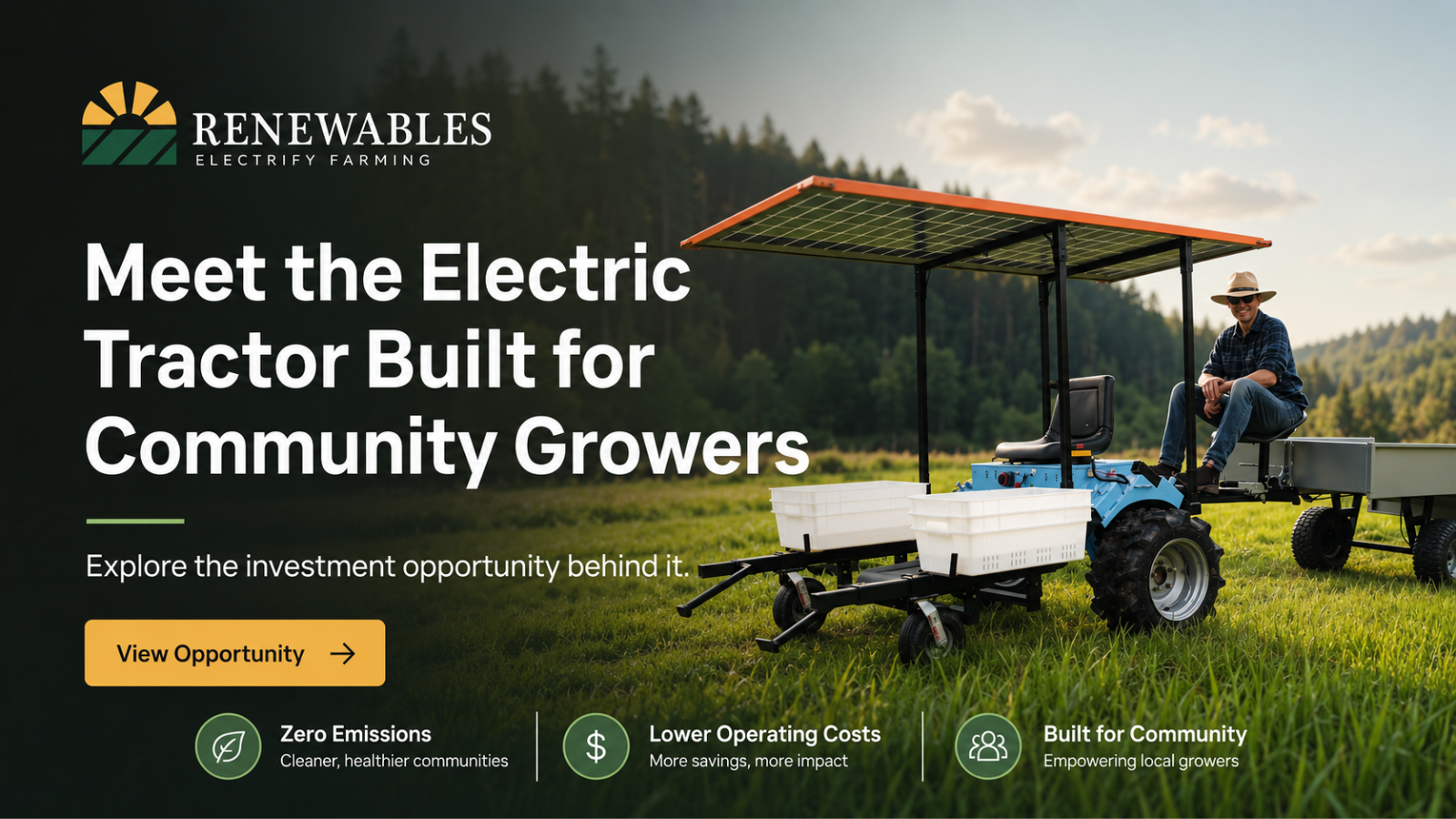
Agriculture is evolving rapidly as farmers seek more efficient, cost-effective, and sustainable ways to produce food. Rising fuel costs, labor shortages, and environmental concerns are pushing the industry toward smarter, cleaner solutions. At the center of this transformation is the integration of renewable energy into farming systems.
Smart farming systems powered by renewable energy are not just a trend; they represent a long-term shift in how agriculture operates. By combining advanced technologies with sustainable energy sources, farmers can increase productivity, reduce operational costs, and minimize environmental impact.
This article explores how renewable energy is shaping modern farming systems and why it’s becoming essential for the future of agriculture.
What Are Smart Farming Systems?
Smart farming systems use technology, data, and automation to improve efficiency and decision-making in agriculture. When combined with renewable energy, these systems become even more powerful.
Key Components Include:
- Renewable energy sources (solar, wind)
- Automated machinery and equipment
- Data-driven decision tools
- Precision farming techniques
To understand the broader shift, explore future of agriculture embracing technology for sustainability
Why Renewable Energy Is Essential in Modern Farming
Traditional farming relies heavily on fossil fuels, which are costly and environmentally damaging. Renewable energy offers a cleaner, more sustainable alternative.
Benefits Include:
- Lower fuel and energy costs
- Reduced carbon emissions
- Energy independence
- Long-term sustainability
Learn more in renewable energy farming
Solar Power The Backbone of Smart Farms
Solar energy is one of the most accessible renewable energy sources for farms.
Common Applications:
- Powering irrigation systems
- Charging electric machinery
- Running storage and processing facilities
- Supporting greenhouse operations
Explore more in solar powered farming equipment
Combining Energy and Agriculture with Agrivoltaics
Agrivoltaics is an innovative approach that combines solar energy production with crop cultivation.
Advantages Include:
- Dual land use for energy and farming
- Improved crop protection
- Increased land efficiency
- Additional revenue streams
Learn more in agrivoltaics
Automation and Renewable Energy: A Powerful Combination
Automation is transforming how farms operate, especially when powered by renewable energy.
Examples of Automation:
- Autonomous tractors
- Smart irrigation systems
- AI-driven crop monitoring
- Robotic harvesting
For insights, visit how automation is shaping the future of sustainable agriculture
Reducing Operational Costs Through Smart Energy Use
Energy is one of the largest expenses in farming. Renewable energy helps reduce these costs significantly.
Cost-Saving Benefits:
- Lower fuel expenses
- Reduced maintenance costs
- Long-term energy savings
- Government incentives and tax benefits
Improving Farm Productivity with Smart Systems
Smart farming systems enable better decision-making and improved efficiency.
Productivity Gains Include:
- Optimized resource use
- Reduced waste
- Faster operations
- Higher crop yields
Addressing Labor Shortages with Technology
Labor shortages are a growing concern in agriculture. Smart systems help bridge this gap.
Solutions Include:
- Automated machinery
- Remote monitoring systems
- AI-driven task management
Learn more in farm labor shortages impact equipment choices
Sustainable Farming and Soil Health
Renewable energy supports sustainable farming practices that improve soil health.
Key Benefits:
- Reduced soil compaction
- Lower chemical usage
- Improved biodiversity
- Enhanced nutrient retention
Explore more in how everyday farming practices shape long term soil health
Greenhouse Efficiency with Renewable Energy
Greenhouses benefit significantly from renewable energy integration.
Advantages Include:
- Controlled growing environments
- Reduced energy costs
- Year-round production
- Improved crop quality
Check out best greenhouse supplies and kits for efficient sustainable farming
Environmental Benefits of Renewable Farming Systems
Renewable energy reduces the environmental impact of farming.
Key Environmental Benefits:
- Lower greenhouse gas emissions
- Reduced water usage
- Less pollution
- Improved ecosystem health
Challenges in Adopting Renewable Energy
While the benefits are significant, there are challenges to consider.
Common Challenges Include:
- Initial investment costs
- Infrastructure requirements
- Technical knowledge gaps
- Weather dependency
Despite these challenges, long-term benefits outweigh the initial hurdles.
Strategies for Transitioning to Smart Farming
Transitioning to renewable-powered farming requires careful planning.
Steps to Get Started:
- Assess energy needs
- Choose suitable renewable solutions
- Invest in smart technologies
- Train staff and operators
- Monitor performance and adjust strategies
The Role of Innovation in Future Farming
Innovation continues to drive the adoption of smart farming systems.
Emerging Technologies Include:
- Advanced energy storage systems
- Smart grids for farms
- AI-powered analytics
- IoT-enabled equipment
Building a Resilient Farming Operation
Renewable energy helps create resilient farming systems that can adapt to changing conditions.
Resilience Benefits:
- Energy independence
- Reduced reliance on external resources
- Improved risk management
- Long-term sustainability
The Future of Smart Farming Systems
The future of agriculture lies in the integration of renewable energy and smart technologies.
What to Expect:
- Increased adoption of renewable-powered equipment
- Greater use of automation
- Improved data-driven farming
- Enhanced sustainability practices
Conclusion
Smart farming systems powered by renewable energy are transforming agriculture into a more efficient, sustainable, and resilient industry. By integrating solar power, automation, and innovative technologies, farmers can reduce costs, improve productivity, and protect the environment.As the demand for sustainable food production continues to grow, adopting renewable energy solutions is no longer optional, it's essential for long-term success.