The agricultural industry has witnessed a transformative shift in recent years, driven by technological innovations and the growing need for sustainable farming practices. As the global population continues to rise, so does the demand for food. However, traditional farming methods are no longer enough to meet this demand sustainably. This is where automation comes into play, providing innovative solutions that not only boost efficiency but also support eco-friendly, zero-emission farming practices.
Automation in Agriculture: The Key to Sustainable Farming
Automation in agriculture refers to the use of technology to perform tasks that traditionally required human labor. These technologies include autonomous vehicles, drones, sensors, and AI-driven systems that can monitor, analyze, and manage various aspects of farm operations. By incorporating automation into farming, agriculture becomes more efficient, cost-effective, and, most importantly, sustainable.
One of the most important goals of modern sustainable farming is reducing the reliance on synthetic chemicals altogether. Instead of focusing on optimizing the use of fertilizers and pesticides, many farmers are shifting toward regenerative practices such as crop rotation, cover cropping, and the use of beneficial insects to naturally manage soil health and pests. Advanced cultivation tools and robotics are also playing a growing role by mechanically controlling weeds and improving field management without relying on chemical inputs. These approaches help build healthier soils, improve biodiversity, and support long-term agricultural sustainability.
The Role of Smart Farming Solutions
Smart farming is at the heart of agricultural automation. This innovative approach involves the use of IoT (Internet of Things) devices, sensors, and big data analytics to optimize farm management. Through smart farming solutions, farmers can access real-time data on weather patterns, soil conditions, and crop health. This data allows them to make informed decisions about irrigation, planting, harvesting, and resource management, leading to more sustainable farming practices.
For instance, automated irrigation systems that use soil moisture sensors can deliver water directly to plants in precise amounts, reducing water waste. Similarly, automated planting and harvesting systems can work faster and more efficiently than human labor, minimizing fuel consumption and emissions. These smart farming technologies are not only saving time and money but also contributing to a more eco-friendly, zero-emission farming environment.
Precision Agriculture: The Future of Farming
Precision agriculture is another facet of automation that is reshaping the agricultural landscape. By using GPS, drones, and data analytics, precision agriculture allows farmers to apply inputs like fertilizers, water, and pesticides more efficiently and accurately. This targeted approach reduces waste, increases crop yields, and ensures that resources are used responsibly.
Automated systems can also provide farmers with detailed insights into the health of individual plants, allowing for early detection of pests or diseases. This helps prevent the spread of harmful chemicals across large areas, ensuring that only affected plants are treated, further reducing the environmental impact.
Automated Farm Equipment: The Backbone of Sustainable Agriculture
One of the most significant advancements in agricultural automation is the development of automated farm equipment. Tractors, harvesters, and other essential machines are now being designed with autonomous capabilities, enabling them to operate without human intervention.
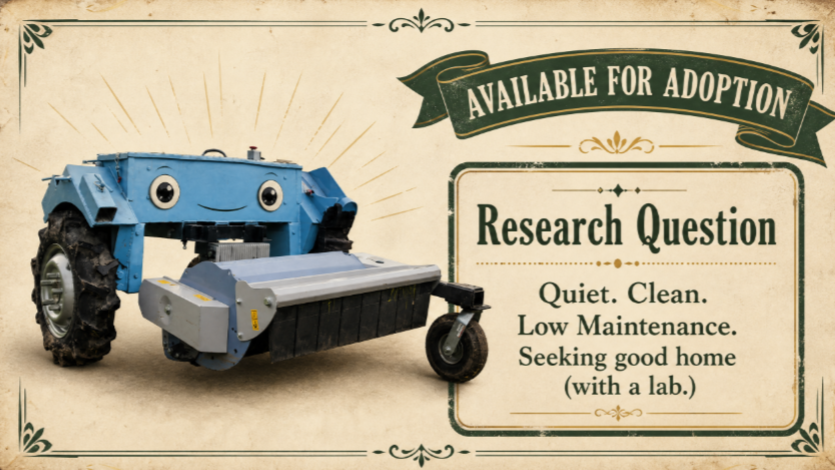
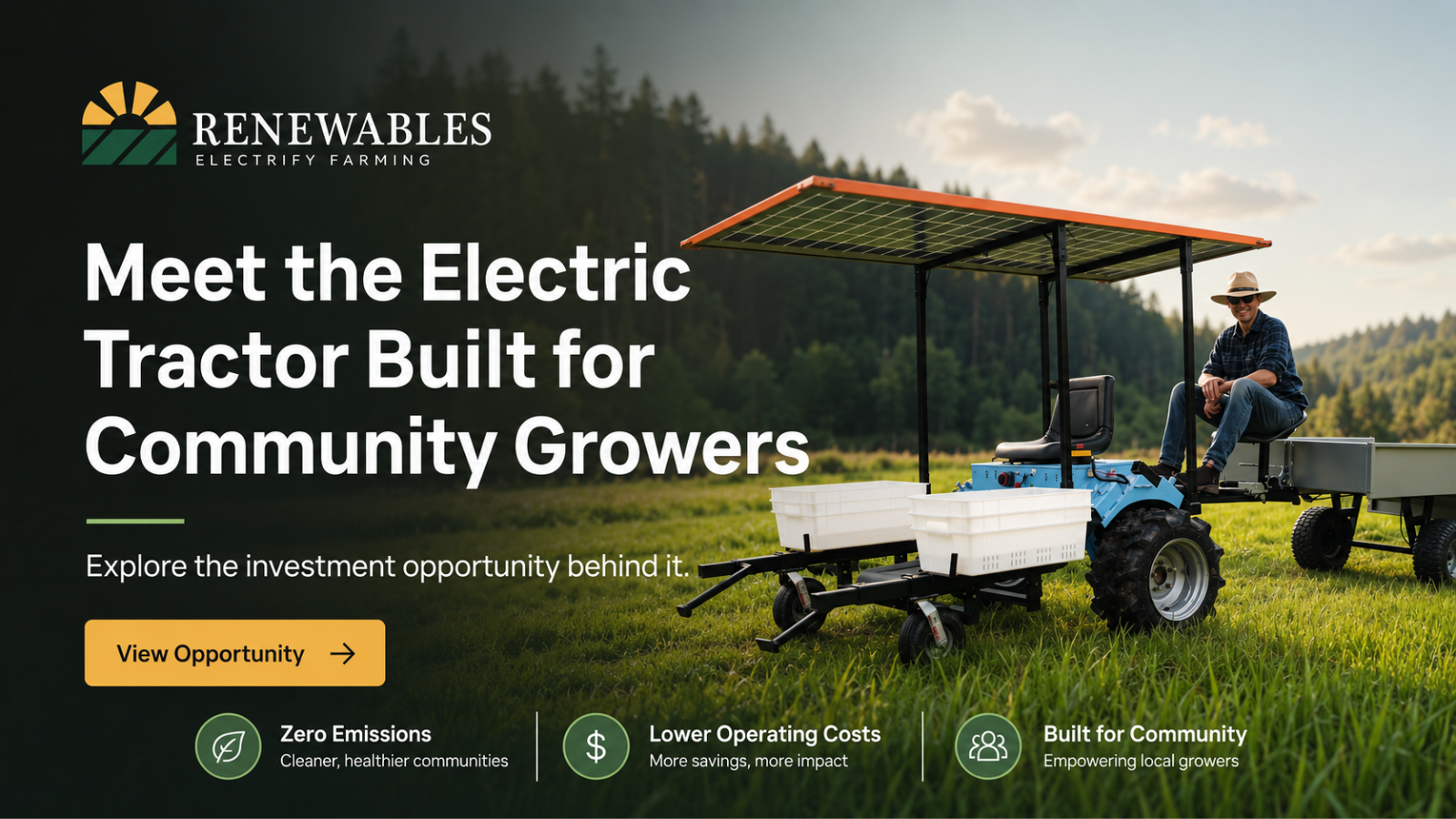
For example, automated tractors can plow, seed, and cultivate fields with a level of precision that human-operated equipment cannot match. These tractors use GPS and sensors to navigate fields, ensuring that each pass is perfectly aligned and that no areas are overworked or underworked. This not only increases efficiency but also reduces soil compaction, a major factor in soil degradation. This electric tractor technology offers an eco-friendly solution, helping to reduce emissions while improving farm productivity.
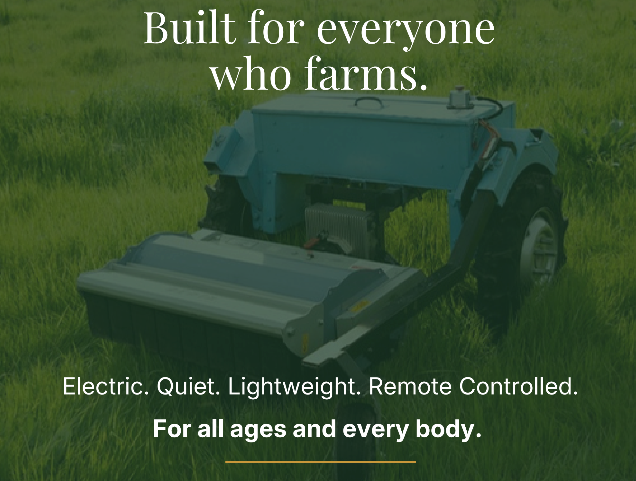
Electric, autonomous tractors are becoming increasingly popular, especially for smaller farms. These machines provide a zero-emission solution for farmers, contributing to a cleaner environment while still delivering high-performance results. As the technology continues to advance, automated farm equipment will play a critical role in reducing agriculture's carbon footprint and promoting sustainable farming practices.
The Environmental Benefits of Automation
The environmental benefits of automation in agriculture are vast. By reducing the need for human labor and minimizing the use of fossil fuels, automated systems help cut greenhouse gas emissions. Electric-powered automated machinery further reduces the carbon footprint of farming, contributing to the fight against climate change.
Another significant environmental benefit is the reduction in water usage. Automated irrigation systems that use real-time data ensure that water is only applied when and where it is needed, preventing over-irrigation and conserving valuable water resources. This is particularly important as climate change exacerbates water scarcity issues around the world.
Furthermore, automation in agriculture reduces the reliance on chemical fertilizers and pesticides. Precision farming technologies allow farmers to apply these substances only when necessary, reducing runoff into surrounding ecosystems and improving soil health. This creates a more sustainable farming system that benefits both the land and the surrounding environment.
The Future of Agriculture: Embracing Automation
As automation continues to evolve, its impact on agriculture will only grow. The integration of AI, machine learning, and robotics into farming systems is opening up new possibilities for increased efficiency, sustainability, and profitability. The future of agriculture is one where machines work alongside farmers to create a more sustainable, environmentally friendly food production system.
In fact, electric tractors and other automated farming technologies are already revolutionizing small farms, providing farmers with the tools they need to produce more while reducing their environmental impact. These innovations will continue to shape the way we farm, leading to a future where agriculture and sustainability go hand in hand.
Automation: Enabling Smart, Sustainable Farming for Every Community
At Renewables, we believe that automation is the key to unlocking a more sustainable future for agriculture. Our mission is to re-invent the tractor as an affordable, zero-emission, automation-ready platform that enables farms and municipalities of every size to thrive sustainably. By embracing smart farming solutions, we are driving the shift toward a cleaner, more efficient agricultural system.
Our electric tractors and automated equipment are built for every acre, enabling farmers to grow their operations while reducing their carbon footprint. As we continue to innovate, we are committed to providing farmers with the tools they need to embrace the future of farming, where automation and sustainability work together to create a brighter future for everyone.
Conclusion
Automation is undeniably shaping the future of sustainable agriculture. With advancements in smart farming solutions, precision agriculture, and automated farm equipment, the agriculture industry is moving toward a future that is more efficient, environmentally friendly, and sustainable. The integration of automation into farming practices not only benefits farmers by increasing productivity but also contributes to the global effort to combat climate change and preserve our planet’s resources.
As the technology continues to improve, the potential for automation to transform agriculture is limitless. At Renewables, we are proud to be at the forefront of this transformation, providing farmers with the tools they need to thrive sustainably and efficiently.