The agricultural sector is undergoing a profound transformation, with sustainability and technology at the forefront. Among the most significant innovations reshaping modern farming is the rise of electric tractors. These machines are redefining efficiency, reducing emissions, and providing farmers with cost-effective, environmentally friendly alternatives to traditional diesel-powered equipment.
As farms increasingly adopt renewable energy and sustainable practices, electric tractors are emerging as a cornerstone of the modern, green farm. If you’re considering upgrading your farm equipment or exploring sustainable alternatives, understanding the benefits and capabilities of electric tractors is essential. Learn more about the future of farming with electric and sustainable solutions.
Why Electric Tractors Are Gaining Popularity
Electric tractors are gaining attention for several reasons:
1. Environmental Sustainability
Electric tractors eliminate the greenhouse gas emissions associated with diesel engines. For farms committed to reducing their carbon footprint, these machines provide a direct path toward sustainable operations. Many small farms and medium-sized operations are already seeing the impact of transitioning to electric tractors, as detailed in electric tractors for small farms: zero-emission farming.
2. Lower Operating Costs
Electric tractors require less maintenance than traditional tractors, with fewer moving parts and no need for engine oil, filters, or exhaust system maintenance. Over time, energy costs are significantly lower than fuel costs, contributing to reduced operational expenditures. Explore the benefits of electric tractors for small farms for cost-saving insights.
3. Quiet Operation
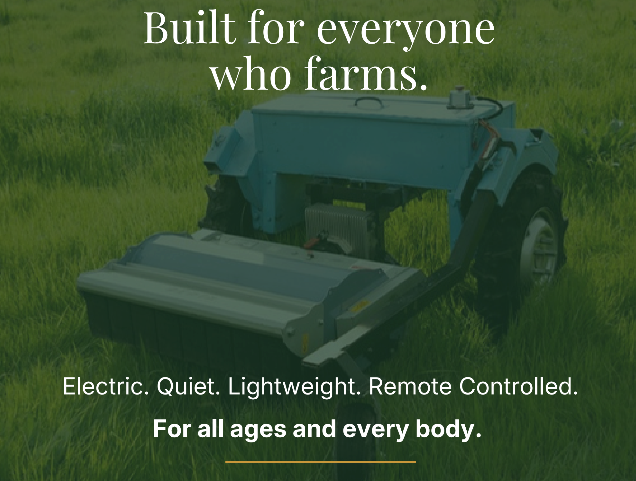
Electric tractors operate with minimal noise, creating a safer and more comfortable environment for farmers, livestock, and neighboring communities. Quiet machinery also reduces stress on workers and contributes to a more peaceful farm environment.
Capabilities of Electric Tractors
Early adopters may wonder whether electric tractors can match the performance of diesel counterparts. The answer is increasingly affirmative. Modern electric tractors can:
- Perform tillage, plowing, and planting efficiently
- Can provide instant torque
- Integrate seamlessly with existing farm equipment and attachments
For an in-depth look at their capabilities, see can electric tractors handle tillage, plowing, and heavy loads.
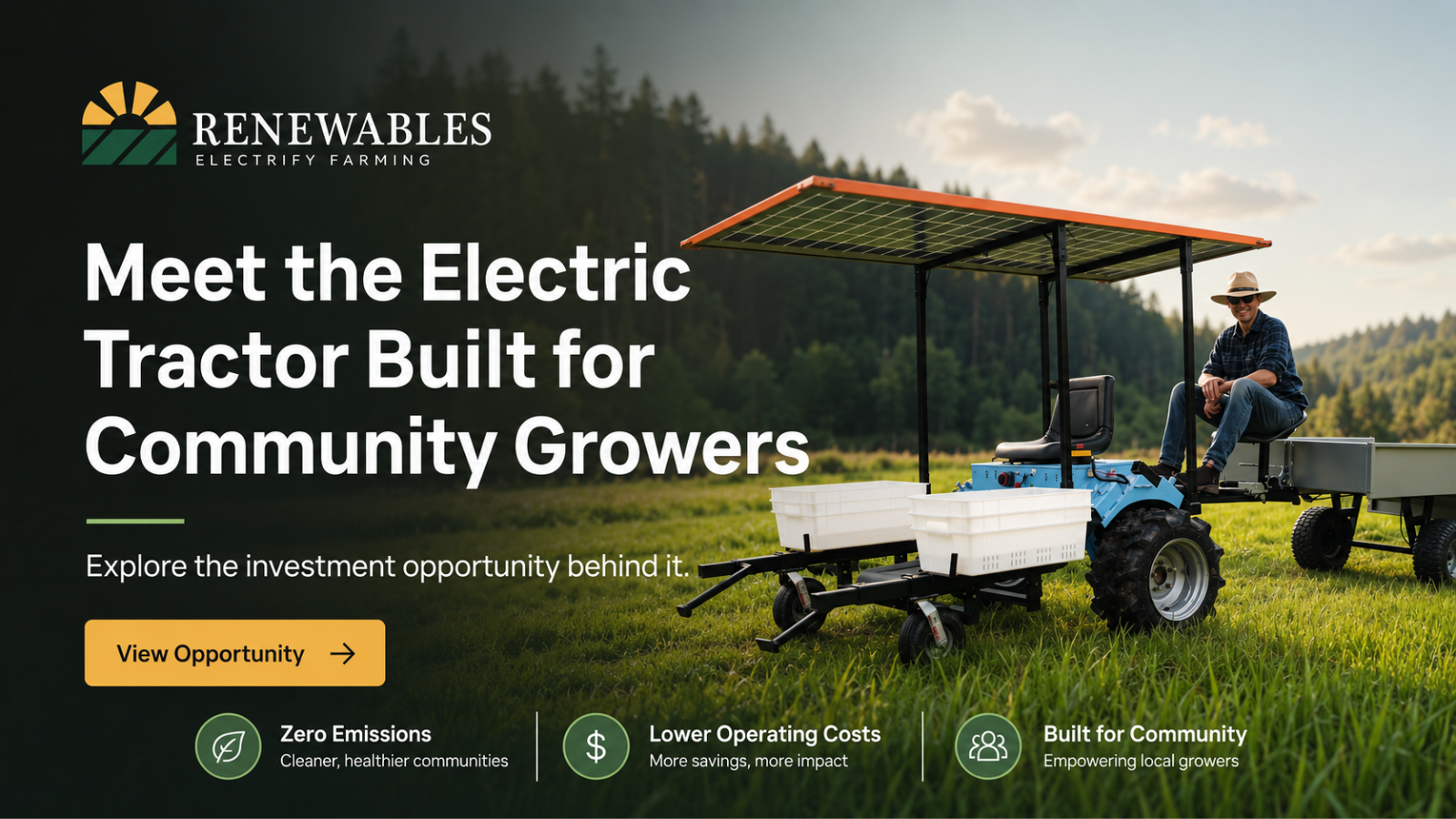
Additionally, electric tractors can operate in conjunction with renewable energy systems, such as solar panels, creating a self-sustaining, low-emission farm infrastructure. Check out solar-powered farming equipment for practical applications.
Advantages for Small and Medium-Sized Farms
Electric tractors are particularly advantageous for small and medium-sized farms due to their scalability and lower upfront maintenance costs. These farms can:
- Reduce dependence on fossil fuels
- Gain access to incentives and rebates for electric machinery
- Lower long-term operational costs without sacrificing performance
See the complete guide to choosing the right tractors for your farm to understand how to select equipment tailored to your farm’s size and needs.
Integrating Electric Tractors into Sustainable Farming
Electric tractors are not standalone solutions; they thrive when integrated into a broader sustainable farming strategy. Key practices include:
1. Renewable Energy Sources
Pairing electric tractors with solar panels or other renewable energy sources can dramatically reduce energy costs while enhancing farm sustainability. Learn more in renewable energy farming and solar-powered micro-tractors.
2. Soil Health and Long-Term Sustainability
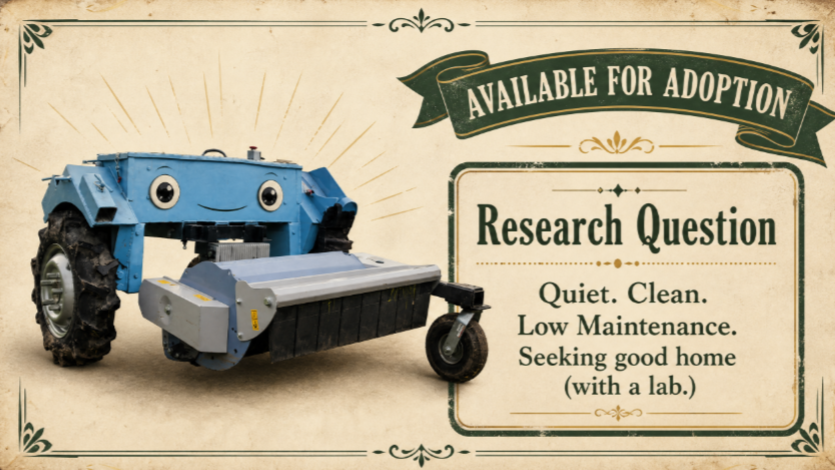
Sustainable farming practices, such as cover cropping and precision agriculture, work well with electric tractors. These tractors reduce emissions, but only certain designs like the e2T that drives between beds help minimize soil compaction. Regular 4 wheel electric tractors have similar compaction levels as diesel ones.. See how everyday farming practices shape long-term soil health.
3. Automation and Precision Agriculture
Electric tractors can integrate with automated systems and precision farming tools. This allows for targeted planting, fertilization, and crop management, reducing waste and increasing yield efficiency. Read more on how automation is shaping the future of sustainable agriculture.
Economic Benefits Beyond Fuel Savings
Electric tractors also provide broader economic advantages:
- Reduced Maintenance Costs: No engine oil changes, fewer moving parts, and simplified powertrain systems
- Extended Machine Lifespan: Batteries and electric motors often require less frequent replacement than combustion engines
- Government Incentives: Many regions offer grants, tax credits, or rebates for adopting electric farm machinery
For small farms, these economic benefits combine to make electric tractors a compelling investment. Learn how electric tractors are revolutionizing sustainable farming for more insights.
Addressing Common Concerns
Battery Life and Charging
Modern electric tractors come with high-capacity batteries capable of supporting full-day operations for lighter tasks such as hauling, transport, and utility work, though they may not yet be ideal for heavy-duty applications like plowing. Charging stations can be installed on-farm, and solar systems can further support charging for low- or zero-emission energy use.
Performance in Heavy Tasks
Advanced electric tractors are now capable of plowing, tilling, and hauling heavy loads comparable to diesel tractors. For guidance, see electric tractors guide future farming.
Initial Investment Costs
While upfront costs may be higher, long-term savings in fuel and maintenance can help offset initial expenses, particularly for small- and medium-scale operations. In addition, reduced emissions can support better air quality and contribute to improved health outcomes for farmers and surrounding communities.
Supporting Sustainable Farming Practices
Electric tractors are part of a larger movement toward environmentally responsible farming practices. By embracing renewable energy and reducing reliance on fossil fuels, farms can:
- Lower their carbon footprint
- Improve community relations by reducing noise and air pollution
- Attract environmentally conscious consumers and buyers
See electric tractors sustainable farming for a deeper dive into their role in promoting eco-friendly agriculture.
Future Trends in Electric Farming Equipment
The future of farming is electric. Innovations in battery technology, autonomous operation, and smart farm management systems are expected to make electric tractors more efficient, versatile, and accessible. Some trends include:
- Integration with precision agriculture systems
- Expansion of agrivoltaics combining solar energy with crop production (agrivoltaics)
- Increased availability of micro-tractors for small-scale operations solar-powered micro-tractors
- Enhanced fleet management software for monitoring performance and energy use
Farmers embracing these innovations position themselves at the forefront of sustainable, tech-driven agriculture.
Conclusion
Electric tractors are not just a futuristic concept, they are already shaping the landscape of sustainable agriculture. They help reduce emissions, lower operating costs, and support the use of renewable energy on farms. However, improvements in soil health come primarily from the agricultural practices farmers implement such as cover cropping and reduced tillage rather than the tractor itself, though electric models can contribute by avoiding direct exhaust pollutants. By integrating electric tractors into broader sustainable farming strategies, farmers can enhance efficiency, reduce environmental impact, and prepare for a future where technology and sustainability work hand in hand. With careful planning and investment, electric tractors can support farms in remaining productive, profitable, and environmentally responsible for the long term.